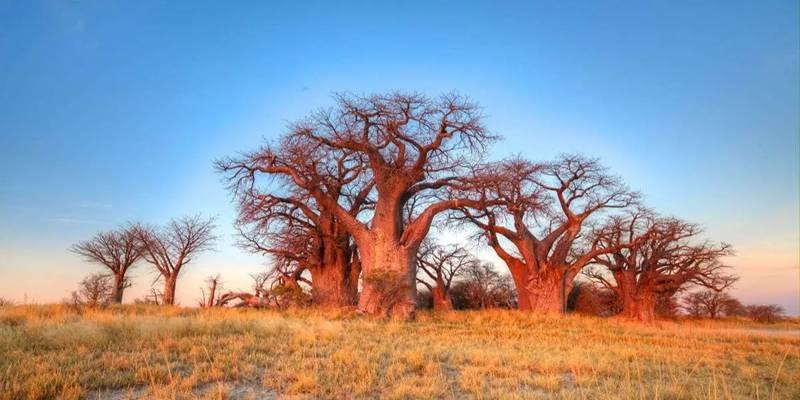
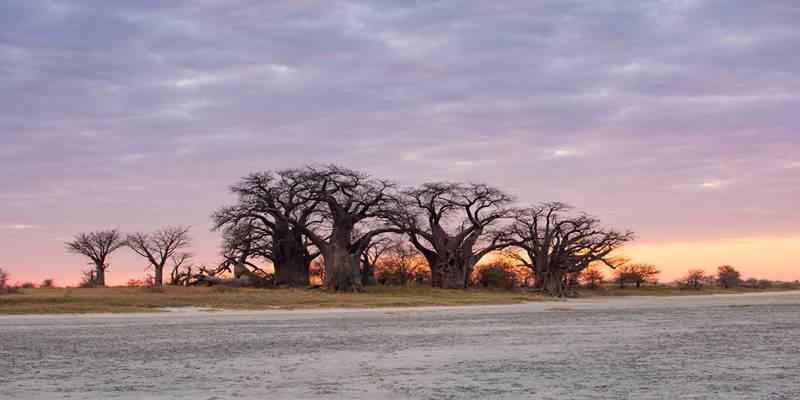
Baines Baobab in Botswana is one of those rare places that make you pause and breathe differently. Set deep inside the Nxai Pan National Park, this cluster of ancient baobab trees stands like silent guardians above the white crust of the salt pans.
The scenery is surreal, and the quietness feels almost otherworldly. Here, the sky meets the Earth in a flat horizon that stretches for miles, while the shade of the trees offers a peaceful place to rest and reflect. This guide explores what makes Baines Baobab in Botswana so captivating, from how to reach it to what it’s really like to experience its stillness.
The Landscape That Feels Like Another Planet
The first thing that hits most visitors is the vastness. The pans around Baines Baobab in Botswana look like a dry ocean bed. Cracks in the Earth shimmer in the sunlight, and the air feels dry but clean. During the rainy season, the area changes dramatically. A thin layer of water turns the ground into a giant mirror that reflects the sky and trees, creating dreamlike reflections that photographers adore. In the dry season, the pan returns to its chalky white color, offering a completely different but equally magical experience.
The baobab trees here are hundreds of years old. Their thick trunks and tangled branches rise like sculptures against the bright background. Standing under one feels humbling, like standing beside an elder who has seen countless generations pass.
Getting to Baines Baobab
Reaching Baines Baobab in Botswana isn’t as simple as following road signs from a nearby city. Most travelers start from Maun, a small safari town known as the gateway to the Okavango Delta. From there, it’s about a five-hour drive through dusty roads and sandy tracks. A 4x4 vehicle is a must because the terrain can get tricky, especially after rain.
Many visitors include the stop as part of a broader trip through Nxai Pan National Park, which is also home to herds of springbok, giraffes, elephants, and the occasional lion. Those who prefer guided experiences can book local tours from Maun that handle the logistics, allowing them to relax and enjoy the ride.
When to Visit for the Best Experience?
The ideal time to explore Baines Baobab in Botswana depends on what kind of landscape you prefer. From November to April, light rains can transform the salt pans into shallow lakes. This attracts flocks of flamingos and migrating birds, turning the desert into a living, colorful scene. However, during this time, some roads may be muddy or temporarily closed.
From May to October, the weather is dry and cooler. The pans become accessible again, and the air is crystal clear. Most travelers favor this period because it’s easier to drive and camp. Sunrises and sunsets during these months are unforgettable, with orange light glowing across the empty horizon.
Camping Beneath the Baobabs
Camping under Baines Baobab in Botswana feels like stepping into a painting. There are designated campsites near the trees, managed by Botswana’s Department of Wildlife and National Parks. They’re basic but clean, with pit toilets and fire pits. There’s no electricity or running water, which adds to the feeling of isolation and connection with nature.
At night, the sky turns into a planetarium of stars. The Milky Way cuts across the darkness, and every sound—whether it’s the wind or the distant call of a jackal—feels amplified. It’s one of the few places left where you can sit in complete silence and truly feel the planet around you.
Visitors are encouraged to bring enough food, water, and fuel because facilities are limited. The simplicity of camping here isn’t about luxury; it’s about raw beauty and peace.
Wildlife and Surrounding Attractions
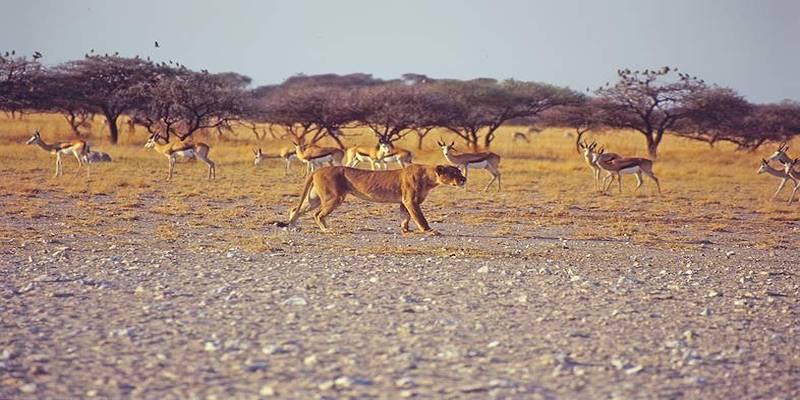
Though Baines Baobab in Botswana is best known for its striking trees, the area surrounding it also holds a surprising amount of life. During and after rains, the pans attract zebras, wildebeests, and even elephants that cross from the Okavango region. Predators sometimes follow these herds, adding excitement to early morning drives.
Beyond the baobabs, Nxai Pan National Park offers open grasslands that are perfect for spotting animals. Some visitors continue their journey to nearby Makgadikgadi Pans, one of the largest salt flats on Earth, where the landscape stretches endlessly and feels almost lunar.
The Magic of Light and Stillness
Many travelers describe Baines Baobab in Botswana as a place where time slows down. The play of light across the flat ground changes throughout the day—from soft blues in the morning to blazing gold by late afternoon. This constant shift keeps the scene alive even though everything around you seems motionless.
Photographers often arrive before dawn or stay until dusk to catch the shadows and colors that dance across the pans. Even without a camera, watching the sunlight change is an experience that stays in your memory.
There’s a sense of peace that comes from being so far from noise and clutter. Here, every sound feels intentional—the crunch of footsteps, the breeze through dry grass, the occasional distant bird.
Respecting the Environment
Visiting Baines Baobab in Botswana comes with a quiet responsibility. The area is delicate, and the trees have stood for centuries. Visitors are asked to avoid carving into trunks or driving too close to their roots. Fires should be made only in designated areas, and all waste should be packed out.
Because this is part of a national park, there are regulations to follow, but most are common sense. Staying mindful of nature not only protects the landscape but also enhances the experience. When you treat the place with respect, it gives back a deeper sense of calm and gratitude.
Conclusion
Baines Baobab in Botswana isn’t a typical tourist attraction—it’s a reminder of how powerful simplicity can be. There are no crowds, no gift shops, and no distractions. Just ancient trees standing on a salt plain under the biggest sky you’ll ever see.
Whether you come for photography, solitude, or just curiosity, the feeling of standing beneath those baobabs stays with you long after you’ve left. It’s nature’s quiet masterpiece, unchanged and unforgettable.