Finding the right hearing aid can feel like picking the perfect pair of shoes—something that fits comfortably, feels natural, and supports your daily life. Though the many styles and features can seem confusing, knowing your hearing needs and lifestyle helps narrow the choice.
Hearing aids aren’t just tiny amplifiers; they’re smart devices that capture sound through a microphone, process it digitally, and send it into your ear with clarity. Modern models filter background noise, highlight speech, and even connect to phones or TVs for easy control.
Whether you’re just starting to notice muffled voices or have been advised by an audiologist, the best hearing aid is one that suits your ear, comfort, and routine without sacrificing quality.
Choosing Between Styles And Designs
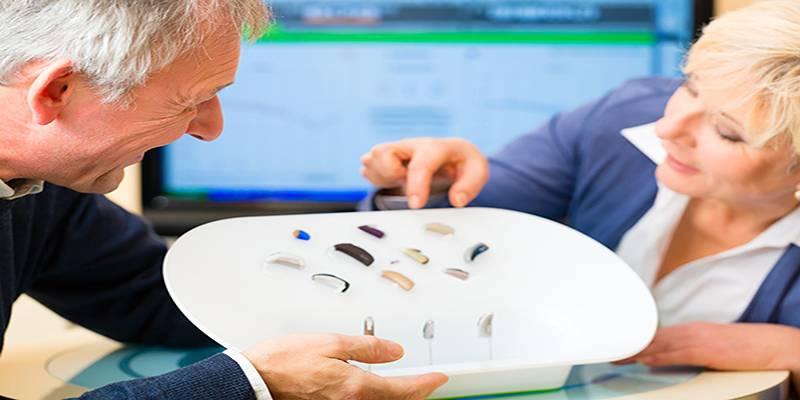
Hearing aids come in several designs, but the most common ones are behind-the-ear (BTE), receiver-in-canal (RIC), and in-the-ear (ITE). Each has its strengths depending on your hearing level and comfort preferences.
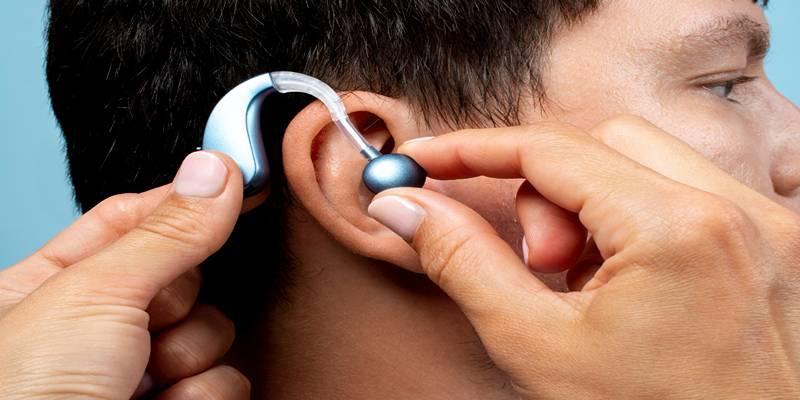
BTE models are typically more powerful and suitable for a wide range of hearing losses. They sit comfortably behind the ear with a small tube leading into the ear canal. RIC aids are similar but use a thin wire instead of a tube, offering a more discreet look and natural sound. ITE models fit entirely inside the ear and are nearly invisible, making them a favorite for people who prefer a subtle option.
The right choice often depends on factors such as dexterity, ear anatomy, and cosmetic preference. Some people appreciate the easy handling of larger styles, while others value the invisibility of smaller ones. Trying different styles with your audiologist’s guidance can help you find what feels right both physically and emotionally.
Matching Your Hearing Aid To Your Lifestyle

Think about where you spend most of your time. Do you enjoy dinners with family, outdoor walks, or quiet reading? Each situation demands a different hearing support.
If you’re often in noisy environments, you’ll benefit from a device with strong background-noise reduction and directional microphones that focus on speech in front of you. For those who spend more time in calm surroundings, a simpler model may do the job beautifully. Many modern hearing aids automatically adapt to various settings, so you don’t need to adjust them constantly.
Water resistance is another useful feature if you live in a humid climate or sweat often. Rechargeable batteries, now common in newer models, also save the hassle of changing tiny cells weekly.
The Importance Of A Professional Hearing Test
Before buying any hearing aid, a full hearing assessment is essential. An audiologist can measure your exact hearing levels and pinpoint which frequencies are most affected. Skipping this step is like buying prescription glasses without knowing your lens strength—it just doesn’t work properly.
A professional fitting ensures that your hearing aid’s settings match your hearing profile. The audiologist also teaches you how to clean, store, and maintain it, which keeps it working well for years. Periodic follow-ups allow fine-tuning as your hearing needs change.
Comfort, Fit, And Everyday Use
Comfort matters as much as sound quality. A hearing aid should sit securely without irritation, even after hours of wear. If it feels too tight, whistles, or causes soreness, ask your audiologist to make small adjustments.
Learning to wear hearing aids takes time, just as your brain learns to interpret the new sounds. At first, background noises might seem loud or unfamiliar. With regular use, your brain adapts, and everyday sounds begin to feel natural again. Many users find that within a few weeks, their comfort and listening experience improve significantly.
Budget And Maintenance Considerations
The cost of hearing aids varies widely, depending on technology and features. High-end models may offer smartphone connectivity, artificial-intelligence sound adjustments, and rechargeable batteries. Basic versions, while less expensive, can still deliver clear, dependable hearing improvement for everyday use.
It helps to discuss your budget openly with your audiologist. They can recommend options that give you the best value for your investment. Remember that maintenance costs—like replacement parts or periodic servicing—should also be factored in. Cleaning your device regularly and storing it safely from moisture or heat helps prolong its lifespan.
Keeping Up With Modern Technology
Today’s hearing aids are smarter than ever. Many use Bluetooth to connect to your phone, letting you take calls hands-free or listen to podcasts with ease. Some even use artificial intelligence to analyze your listening habits and automatically fine-tune performance.
You can also track usage data, monitor battery health, and locate misplaced devices through companion apps. While these features aren’t necessary for everyone, they add convenience for those who enjoy tech-enabled lifestyles. If you’re less comfortable with technology, your audiologist can help you select a model that keeps things simple.
Adjusting Emotionally To Wearing Hearing Aids
Getting a hearing aid can feel like a big change. Some people hesitate because they associate hearing aids with aging or worry about appearance. Yet modern devices are smaller, sleeker, and more discreet than ever before. Many are virtually invisible once fitted correctly.
Think of it as giving your ears a chance to keep up with your life, rather than as a sign of limitation. Hearing clearly again restores confidence in social interactions and reduces the exhaustion that often comes from straining to listen. Many people describe it as rediscovering the little sounds they’d forgotten—like birds chirping or the rustle of leaves.
Conclusion
Choosing a hearing aid is both a practical and personal decision. The right device can transform how you experience conversations, music, and everyday sounds. Take the time to understand your hearing needs, explore different styles, and seek professional guidance before making your choice.
With patience, proper fitting, and a bit of persistence, your hearing aid will soon feel less like a gadget and more like a natural extension of yourself—helping you stay connected, confident, and comfortable in every moment.