Grilling is one of those simple pleasures that brings people together. The sound of sizzling meat, the smell of smoke in the air, and the easy laughter of family or friends make it feel like summer in every season. But there’s a hidden risk that can turn a fun cookout into a regrettable night — foodborne illness. It happens when harmful bacteria, viruses, or parasites contaminate food. Symptoms like nausea, cramps, vomiting, or fever can appear just hours after eating.
The truth is, foodborne illness isn’t rare, and it often starts with small mistakes — leaving meat out too long, skipping handwashing, or undercooking food. The good news is that these mistakes are easy to avoid with a few thoughtful habits. The following sections explain how to keep every grilled meal safe, healthy, and delicious.
Start Safe At The Store
Safe grilling begins before the first flame. When shopping, grab meat, poultry, and seafood last so they stay cold for as long as possible. Keep raw items separate from ready-to-eat foods such as fruits, vegetables, and bread. Meat juices can carry bacteria like Salmonella or E. coli, which spread easily when packaging leaks.
Once you get home, refrigerate or freeze meat right away. The refrigerator should be kept below 40°F (4°C), while the freezer should stay at 0°F (-18°C). Bacteria can't grow as fast at these temperatures, which helps keep food fresh. If you’re heading outdoors, store food in a cooler packed tightly with ice or frozen gel packs. Use a food thermometer in the cooler to be sure it stays cold enough. Keeping food out of the “danger zone” between 40°F and 140°F is one of the simplest ways to prevent illness.
Clean Hands, Tools, And Surfaces
Hygiene is one of the strongest defenses against foodborne illness. Before and after handling raw meat, give your hands a thorough 20-second wash in warm, soapy water. Dry them with a clean towel, not one used for other purposes. Wipe down countertops and wash all utensils, dishes, and cutting boards that come into contact with raw foods.
If you’re cooking in a park or backyard without easy access to running water, bring disposable wipes or hand sanitizer. Cross-contamination often starts with something as small as touching a utensil or spice container after handling raw meat. Clean hands and tools keep bacteria from spreading where they don’t belong.
Keep Raw And Cooked Foods Separate
Cross-contamination is sneaky but dangerous. Always use different plates for raw and cooked foods. Once meat touches the grill, it should never go back on the same plate that held it raw unless that plate has been washed thoroughly. The same goes for tongs and spatulas—if they touch raw meat, clean them before using them again.
Marinades deserve special care, too. If you want to use the same marinade for basting or serving, set some aside before adding raw meat. Once raw juices mix in, bacteria can spread to cooked food. You can also boil the used marinade for a few minutes to make it safe, but preparing separate portions is much easier.
Cook Food To The Right Temperature
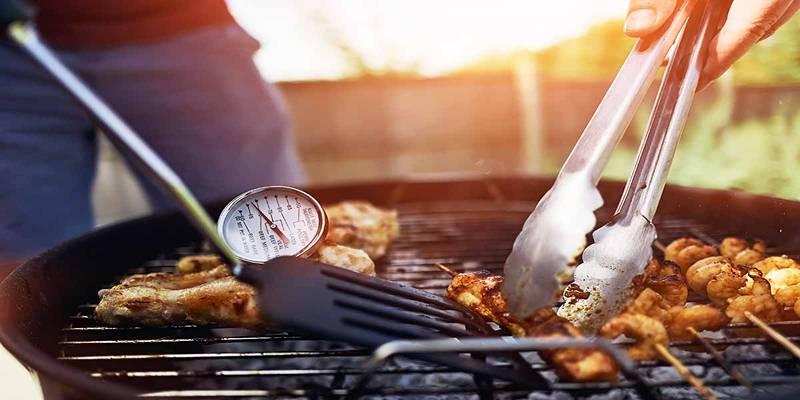
Judging food by color or texture alone can be risky. Meat might look brown on the outside and still be raw inside. The best way to know your food is safe is to use a food thermometer. Insert it into the thickest part of the food, away from bone or fat, for an accurate reading.
Ground meats such as beef or pork should reach 160°F (71°C). Poultry needs to reach 165°F (74°C). Whole cuts like steaks, chops, or roasts are safe at 145°F (63°C), followed by a few minutes of rest to allow heat to kill any remaining bacteria. Fish should reach 145°F or until it flakes easily with a fork. These numbers come straight from the U.S. Department of Agriculture’s food safety guidelines.
Handle Marinades And Sauces Safely
A flavorful marinade can turn a simple piece of meat into something special, but it can also become a food safety hazard if used carelessly. Foods should always be marinated in the refrigerator rather than on the counter. Marinating at room temperature creates the ideal conditions for bacterial growth.
If you plan to reuse marinade that touched raw food, bring it to a full boil before using it as a sauce. Boiling destroys harmful bacteria. Set away a clean piece of meat before adding the raw meat at all, to save yourself the trouble.
Keep Your Grill Clean And Preheated
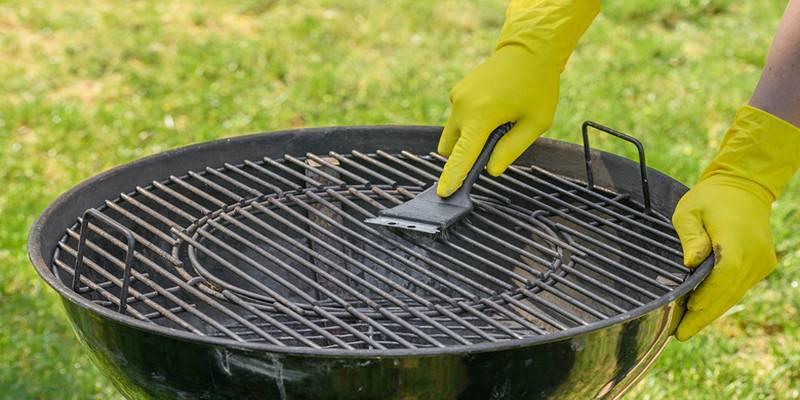
A clean grill isn’t just about appearance—it’s about safety. Scrub off leftover bits and grease from your last cookout before heating it up. Residue can hold bacteria and cause flare-ups. Preheating the grill for about 10 to 15 minutes helps kill remaining germs and gives your food better sear marks.
When cooking, avoid crowding the grill. Leaving space around each piece of food helps heat circulate evenly, ensuring it cooks all the way through. Use long-handled tools to keep your hands safe from burns and to handle food more precisely.
Watch The Clock While Serving
Even after food is cooked, bacteria can return if it sits out too long. Hot foods should stay above 140°F (60°C), and cold foods below 40°F (4°C). Food left at room temperature for more than two hours—or one hour if it’s above 90°F (32°C)—should be discarded.
Serve smaller batches and keep the rest warm on the grill or in the oven. For cold sides like salads or fruit, keep them over ice or in a chilled container. These simple habits prevent food from drifting back into the danger zone where bacteria thrive.
Conclusion
Grilling safety is all about preparation, cleanliness, and temperature control. From buying groceries to packing up leftovers, every step plays a part in keeping food safe. Wash hands and tools, separate raw and cooked foods, and use a thermometer instead of guessing.
Keep hot foods hot, cold foods cold, and store leftovers quickly. These habits keep foodborne illness off your guest list and make sure every meal is remembered for its flavor—not for a stomach ache afterward.