You know that moment when you finally get the keys and think, Okay, I’ve got transportation handled. Then, a month later, the “handled” part starts emailing you invoices.
Because the true cost of owning a car is not just the payment. It’s the quiet drip of insurance, fuel, parking, and maintenance. It’s the bigger hits you did not schedule, like tires, brakes, or a battery that picks the worst possible morning to quit. And then there’s the sneakiest cost of all: the value your car loses while it sits perfectly still.
If you’ve ever wondered where your car budget actually goes, let’s put real numbers and real categories on it.
The Monthly Payment Is Just The Cover Charge
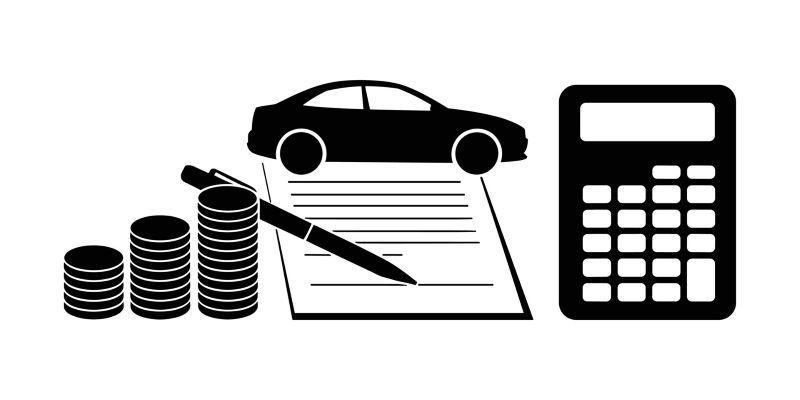
The monthly payment is the part everyone can see. It’s the neat number you compare across models, the one the dealership prints in big font. But it’s also the easiest cost to underestimate, because it makes everything else feel optional or far away.
Start with what you paid upfront. Down payment, taxes, fees, and any add-ons that somehow appeared between the test drive and the final signature. Even if you financed most of it, that cash still counts because you could have used it somewhere else.
Then there’s interest, which is basically the rent you pay on borrowed money. A slightly higher rate can quietly add up over the years, especially if the term stretches longer than you planned. That shiny “low payment” can hide a surprisingly expensive total.
Here’s the twist. Many ownership costs show up whether you drive daily or barely at all. Insurance and registration do not care if your car spends the week parked. The payment gets you in the door, but the real spending starts once you’re inside.
Gas Is Loud, But Depreciation Is Louder
Gas prices get all the attention because they change fast and sting often. Depreciation is quieter, but it usually costs more. The moment you drive off the lot, your car becomes a used car, and the market treats it differently.
Depreciation is the gap between what you paid and what you can sell for later. It happens while you’re commuting, yes, but it also happens while you’re sleeping. Mileage, wear, model updates, and demand all nudge the value down, little by little.
Even if you plan to keep the car for years, that lost value still matters. It affects trade-in options, resale flexibility, and how much money is tied up in an asset that trends downward. It’s not a moral issue. It’s just math.
There’s also opportunity cost, which sounds abstract until you feel it. Money locked in a depreciating car is money not earning interest, not investing, not covering other goals. Once you see depreciation as a real monthly cost, the rest of the budget gets clearer.
The Sneaky Stack Of Everyday Costs
Most car costs do not arrive with a dramatic warning. They show up as normal errands, quick appointments, and “might as well” purchases. One swipe for fuel, another for a wash, another for a little fluid top-up. Nothing huge, until you add it all.
Routine maintenance is the classic example. Oil changes, filters, wiper blades, tire rotations, and alignments feel like small chores, not major expenses. But they are scheduled spending, and skipping them often turns into bigger problems later.
Tires are a perfect middle ground between routine and surprise. They wear slowly, then suddenly you’re buying four at once. Add in little wear items like bulbs, brake pads, and batteries, and you get a steady stream of costs that feels random but isn’t.
Then come the everyday “official” charges. Registration renewals, inspections, tolls, and occasional parking fees. You do not remember them monthly, but your bank account does. By the time you notice the stack, you’ve already been paying it for a while.
Repairs, Insurance, And The Anxiety Tax
Some costs are steady. These ones swing. Insurance can rise after a move, a claim, a new model year, or a market shift you never asked for. Even without an accident, premiums change, and deductibles sit there like a quiet reminder that “covered” still has a price.
Repairs are the true wild card. They arrive in clusters, not neat monthly slices. Brakes, suspension parts, an alternator, and an AC issue in the hottest week of the year. None of it is shocking in isolation, but timing is what makes it painful.
Then there’s the anxiety tax, which is real even if it never shows on a receipt. The mental math before a long drive. The a little worry when a dashboard light flickers. The time spent calling shops, comparing quotes, and wondering if you’re being upsold.
And if your car is in the shop, you pay twice. You lose time. You rearrange work, childcare, or plans. You grab rideshares or rentals. The repair bill is the headline, but the disruption is the fine print.
Parking, Time, And The Cost Of “Just Getting There”
Where you live decides a lot. In some places, parking is a small annoyance. In others, it’s a monthly expense that rivals a utility bill. Garages, permits, meters, tickets, and “just five minutes” stops that somehow cost real money.
Even free parking has a price. Street parking can mean dents, break-ins, weather exposure, and the slow wear of living outside. You might not pay a fee, but you pay in risk, hassle, and the occasional repair you did not see coming.
Time is the stealthiest cost because it feels like life, not a line item. Commuting, traffic, hunting for a spot, and doing errands that expand to fit the drive. You are spending hours, and hours have value, even if you never invoice them.
This is also why car trips can feel free. Once you’ve paid for the car, the insurance, and the parking, driving becomes the default. The costs are already baked in, so every extra mile feels like “might as well,” even when it quietly adds up.
So What Should You Do With This Number?
Once you see the full picture, the goal is not to panic. It’s to get a clean, honest number you can use. When you add payment, depreciation, everyday costs, and the messy stuff like repairs and time, you’re not being negative. You’re being accurate.
Start by estimating your annual total cost, then divide by the number of months. Include the predictable bills and a realistic buffer for the unpredictable ones. If you want one helpful filter, ask: what do I spend to own the car even if I barely drive it?
Then compare your options like an adult, not like a commercial. Keeping a reliable car longer might win. Buying used might win. Downsizing might win. In some seasons of life, transit plus occasional rentals might feel lighter and cheaper.
The “right” answer is the one that fits your priorities. Convenience, freedom, family logistics, budget, and peace of mind all matter. But once you know the true cost, you get to choose on purpose, not by default.