Obstructive Sleep Apnea (OSA) can take a real toll on daily life. Interrupted breathing at night often leads to poor sleep quality, persistent fatigue, and difficulty concentrating during the day. While OSA is a chronic condition, its impact on sleep can often be reduced. With the right combination of habits, environment, and treatment, many people are able to sleep more soundly and feel better during waking hours.
This guide outlines seven practical, evidence-based strategies that support healthier, more restorative sleep for people living with OSA.
Maintain a Consistent Sleep Schedule
Keeping a regular sleep schedule helps regulate your body’s internal clock, which is especially important for people with OSA. Going to bed and waking up at the same time each day supports more stable breathing patterns and may reduce nighttime awakenings caused by airway obstruction.
A calming pre-sleep routine can further reinforce this rhythm. Quiet activities such as reading, gentle stretching, or brief mindfulness exercises help signal that it’s time to wind down. Limiting screen exposure, avoiding bright lights, and reducing mental stimulation in the hour before bed can also support natural melatonin production, making it easier to fall asleep and remain asleep.
Sleep on Your Side
Sleep position has a direct impact on airway stability. For many people with OSA, sleeping on the back increases the risk that the tongue and soft tissues in the throat will relax and partially block airflow. Side sleeping, particularly on the left side, often helps keep the airway more open throughout the night.
Supportive pillows, body pillows, or wedge cushions can make side sleeping more comfortable and easier to maintain. For those who find it difficult to stay on their side, positional therapy devices may help by gently discouraging back sleeping. In some individuals, these tools have been shown to reduce apnea episodes, improve oxygen levels, and lessen snoring.
Optimize Your Sleep Environment
The bedroom environment plays an important role in sleep quality, especially for individuals managing OSA. Even subtle disturbances can trigger brief awakenings that disrupt breathing and fragment sleep. A well-prepared sleep space supports relaxation, steadier airflow, and longer periods of deep sleep.
Reducing light exposure is a key factor. Ambient light from streetlights, electronic devices, or hallways can interfere with the body’s natural sleep signals and cause micro-awakenings. Blackout curtains or room-darkening shades help maintain a consistently dark environment, while softer, dimmer lighting in the evening allows the body to transition more smoothly into rest.
Noise control is equally important. Sudden sounds can provoke brief arousals that worsen breathing irregularities. White noise machines can provide a steady background sound that masks disruptive noise, while earplugs may help those who are particularly sensitive. The goal is not complete silence, but a stable and predictable auditory environment.
Temperature also affects sleep depth and comfort. A bedroom that is too warm may increase restlessness, while a slightly cooler environment tends to support deeper sleep. For most people, a temperature between 60–67°F is ideal. Breathable bedding and moisture-wicking fabrics can further improve comfort and reduce overheating during the night.
Use Continuous Positive Airway Pressure Therapy
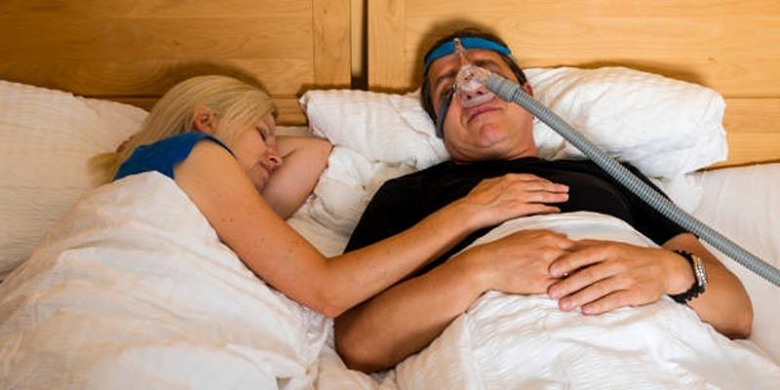
Continuous Positive Airway Pressure (CPAP) therapy remains the most effective treatment for moderate to severe OSA. CPAP devices deliver a steady stream of air through a mask, keeping the airway open and preventing the collapses that cause apneic events.
Consistent use improves oxygen levels, reduces daytime sleepiness, and lowers the risk of long-term cardiovascular complications. Although adjusting to CPAP therapy can take time, proper mask fitting, regular cleaning, and gradual acclimation often improve comfort and adherence. Many people notice meaningful improvements in energy, focus, and overall well-being once CPAP becomes part of their nightly routine.
Maintain a Healthy Weight
Body weight plays a meaningful role in OSA severity, particularly excess weight around the neck and upper torso. Fat deposits in these areas can narrow the airway and increase the frequency of breathing interruptions during sleep. Maintaining a healthy weight can help reduce symptoms and improve sleep quality.
Regular physical activity, including aerobic exercise and strength training, supports weight management and overall health. A balanced diet rich in fruits, vegetables, whole grains, and lean proteins promotes sustainable progress. Even modest weight loss has been shown to improve OSA severity, reduce daytime sleepiness, and support more restful sleep.
Avoid Sleep-Disrupting Habits
Certain daily habits can worsen OSA symptoms and interfere with sleep quality. Heavy meals late in the evening may cause discomfort and increase nighttime awakenings, while caffeine consumed in the afternoon or evening can delay sleep onset and reduce sleep depth.
Establishing a consistent bedtime routine that avoids stimulating activities is especially helpful. Limiting screen time, intense mental tasks, and vigorous late-night exercise allows the body to relax more naturally. Calming activities such as reading, gentle stretching, or listening to soothing music can help prepare both the mind and body for sleep.
Incorporate Breathing and Relaxation Exercises
Targeted breathing and relaxation techniques can support airway stability and promote better sleep. Practices such as diaphragmatic breathing, gentle yoga, and progressive muscle relaxation may strengthen airway-supporting muscles and reduce tension that contributes to obstruction.

With regular practice, these techniques can improve airflow, reduce snoring, and decrease the frequency of apneic events. When combined with mindfulness or guided meditation before bedtime, they may also ease stress and create a calmer mental state that supports uninterrupted sleep.
Conclusion
Managing Obstructive Sleep Apnea effectively requires a balanced approach that combines medical treatment with practical lifestyle adjustments. Maintaining a consistent sleep schedule, choosing supportive sleep positions, creating a sleep-friendly environment, using CPAP therapy as prescribed, managing weight, avoiding disruptive habits, and practicing targeted breathing and relaxation techniques can all contribute to better sleep and improved health.
With patience and consistency, these strategies can make a meaningful difference. Healthier sleep with OSA is achievable, and small, steady changes often lead to lasting improvements in both nighttime rest and daytime well-being.