Most people insure their phone faster than they insure the thing that pays for it. Your income is the engine behind your rent, groceries, loan payments, and all those “someday” plans you keep meaning to start.
Disability insurance is built for one specific moment: when you’re alive, you still have bills, but you can’t work the way you normally do. Not a dramatic movie accident, either. Sometimes it’s surgery that takes longer to recover from. A back injury that won’t quit. Burnout and anxiety make your job impossible for a while.
So the real question isn’t “Do I need it?” It’s “What happens to my life if my paycheck pauses?”
Your Paycheck Is Doing All The Heavy Lifting
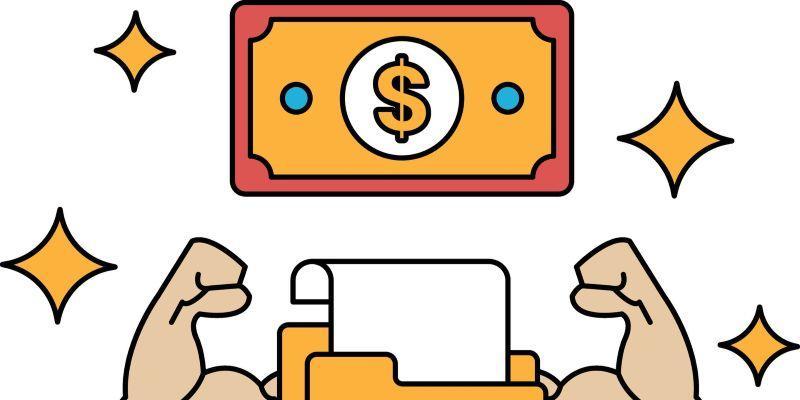
Your paycheck doesn’t just fund your lifestyle. It props up the whole system quietly: the lease, the groceries, the car note, the utilities, the family WhatsApp contributions, the savings you promise you’ll start next month. When it shows up, everything keeps moving.
Now picture that engine sputtering. Not forever, just long enough to create real friction. A few missed payments turn into fees. A paused retirement contribution becomes a habit. Plans shrink. Stress grows. Money problems have a way of multiplying when time is tight.
That’s why disability insurance matters. It is built around the most common financial shock most people never budget for: losing income while still needing life to run on schedule. It helps keep your baseline steady for months, so you can focus on getting better.
“But I’m Healthy” And Other Famous Last Words
It’s completely normal to think, “I’m healthy, I work out, I’m careful.” That belief is comforting, and it totally makes sense. But disability insurance, it’s planning for what your body and mind might do anyway.
A lot of claims come from unglamorous stuff: back pain, joint injuries, autoimmune flare-ups, complications after surgery, or depression and anxiety that make your job feel impossible. These issues don’t have to be dramatic to be disruptive. They just need to last.
And when they last, time becomes expensive. Sick days run out. Savings get tapped. Work falls behind. Even a “temporary” problem can stretch longer than you expect, especially when recovery depends on rest, rehab, and follow-up appointments you didn’t plan for.
What Disability Insurance Actually Covers (And What It Doesn’t)
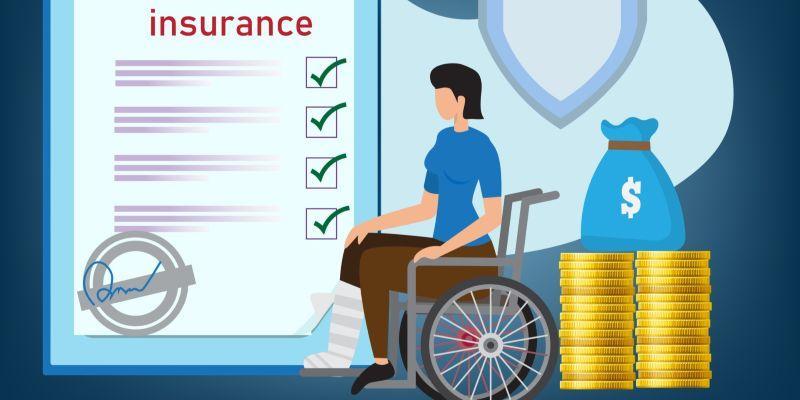
At its core, disability insurance is income replacement. If you can’t work because of a covered illness or injury, it pays you a monthly benefit, usually a percentage of your income. The goal isn’t to make you rich. It’s to keep the lights on while you recover.
Every policy has timing rules. Most have an elimination period, which is the waiting time before benefits start, and a benefit period, which is how long payments can last. Just as important is the definition of “disabled,” because that decides when you qualify.
Here’s the fine print that matters without getting lost in it. Benefits rarely replace 100 percent of your paycheck. Some conditions have limits, and exclusions exist. Also, “own occupation” coverage can pay if you can’t do your specific job, while “any occupation” may require you to be unable to work at all.
The Coverage You Think You Have Might Be A Mirage
Employer coverage feels like a safety net, and sometimes it is. But it often has a ceiling that surprises people. Your plan might cover a percentage of salary, yet cap out at a monthly maximum that barely touches high rent, debt, or family support.
Then there’s the tax piece. If your employer pays the premium, benefits are often taxable, which means your “60 percent replacement” can land closer to 45 percent in your bank account. That gap shows up fast when the bills keep arriving at full price.
Group plans can also come with stricter definitions and shorter benefit periods than people assume. Some won’t count bonuses or commissions. Many don’t follow you if you change jobs. It’s not useless coverage. It’s just not always the whole plan.
The Two Questions That Make The Decision Clear
Start with one honest question: if your income stopped tomorrow, how long could you cover essentials? Not the fun stuff. The basics. Rent or mortgage, food, utilities, transportation, minimum debt payments, and medical costs that might actually rise during recovery.
Then ask the second question: who depends on your paycheck, including the future you? A partner, kids, parents, employees, even your own long-term goals. If your income funds more than just you, the consequences get wider and heavier.
If you have a deep emergency fund, strong support at home, and low fixed costs, you may decide you can self-insure. If one missed month starts a domino effect, disability insurance moves from “nice to have” to “protect the foundation.”
Real Life Scenarios That Change The Math Fast
Freelancers and self-employed people feel this first. There’s no HR department, no paid leave policy, and no “light duty” role while you heal. If you stop producing, the income often drops to zero, even if your expenses keep humming along.
Hands-on jobs have their own twist. A dentist with a wrist injury. A nurse with a back strain. A driver with a knee issue. You might be able to work in theory, but not in the way your job actually requires, which can make income protection feel urgent.
Even desk jobs aren’t immune. A tech worker dealing with migraines or severe anxiety may struggle to do focused work for weeks. Someone whose pay relies on commission or stock-based compensation may find that “partial income” still hits hard when performance dips.
Buying It Without Getting Burned
When you shop for disability insurance, start with the shape of the benefit. How much monthly income would actually keep your essentials running, and how long could you wait before payments begin? A longer elimination period usually lowers cost, but only works if your savings can bridge that gap.
Next, pay attention to the wording that decides when you get paid. “Own occupation” can matter a lot for specialized work. Residual or partial disability coverage helps if you can work, just not at full capacity. Inflation protection can keep a long claim from shrinking in real value over time.
A Calm, Confident Yes Or No
Disability insurance is not about fear. It’s about keeping your life stable when your body or mind needs time. If losing income would force you into debt, derail your family, or wipe out savings you worked hard to build, coverage is doing its job before anything happens.
If you already have employer coverage, treat it like a starting point, not a finish line. Check the monthly cap, how disability is defined, and whether benefits would be taxed. Those three details can quietly decide whether the plan feels supportive or frustrating when you need it.
Then make a decision you can live with. Price an individual policy and compare it to what you have. Run the numbers against your fixed costs and your emergency fund. A “yes” is fine. A “no” can also be fine. What you want is an informed choice you won’t regret.