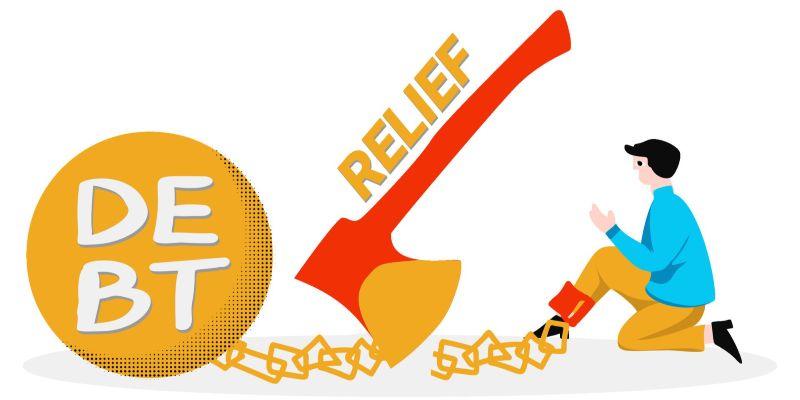
You’ve probably had this thought at least once. People need small amounts of capital, they’re underserved by banks, and the internet makes distribution feel almost effortless. So why not build an online microfinance company that closes the gap and earns real revenue?
Here’s the catch. Lending is never just a product. It’s trust, risk, and human behavior packaged into numbers. Done well, microloans help a tailor buy fabric, a shopkeeper stock shelves, or a farmer bridge a tough season. Done poorly, it becomes pressure wrapped in good intentions.
If you’re considering this path, start with clear eyes. The opportunity is real, and so is the responsibility.
Microfinance, Minus The Myths And The Movie Version

Microfinance is lending small amounts of money to people who run tiny businesses or earn irregular income, often without the paperwork traditional banks demand. Online microfinance simply moves that access onto a phone, with faster applications, clearer tracking, and wider reach. The goal is still the same: useful capital at the right moment.
It also gets misunderstood. It is not charity, because repayment matters. It is not automatically predatory, because pricing and terms can be fair and transparent. And it is definitely not easy money, because borrowers are real people with real volatility, not tidy spreadsheets.
The Real Opportunity Is Trust, Not Technology
Most founders start with the platform idea. An app, a dashboard, a smooth flow from signup to payout. That part matters, but it’s not the hard part. The hard part is getting people to believe you will treat them fairly, and proving you can manage risk without punishing honest customers.
Online lending amplifies everything. A clean experience can build confidence fast, but confusion spreads faster. If your pricing feels hidden or collections feel harsh, your brand becomes a warning label. The strongest edge is trust built through clarity, consistency, and respect.
Pick A Niche Before The Market Picks One For You
Going broad sounds ambitious, but it usually turns into noise. If you lend to everyone, you learn about no one. Your underwriting stays generic, your marketing becomes expensive, and your repayment patterns stay muddy. A focused start gives you tighter feedback and fewer surprises when the portfolio grows.
A niche can be as simple as one borrower type and one use case. Think women-led home businesses, small retail shops needing inventory, farmers buying inputs, or gig workers smoothing cash flow. The more specific your early customers are, the smarter your product becomes.
Your Business Model Should Be Boring On Purpose
Microfinance works when the math is steady, not exciting. You’re balancing the cost of capital, operational overhead, and defaults, then pricing loans so the business survives without cornering borrowers. If your model depends on perfect repayment or aggressive fees, it will crack under real life.
The healthiest models are easy to explain. Clear interest, minimal add-ons, and terms that match how people actually earn. Predictability builds confidence on both sides. It also makes your portfolio easier to monitor, because you can spot when performance shifts instead of guessing why.
Risk Is The Product, So Build It Like One

When you lend, you’re not selling money. You’re selling a decision. That decision needs a system behind it, not vibes. Underwriting should feel like a living product that improves with every repayment, late payment, and customer interaction, then feeds those lessons back into the next loan.
Start small and earn the right to expand. Verify identity, watch for fraud patterns, and size loans so one miss doesn’t sink the borrower or your balance sheet. Over time, good behavior should unlock larger limits. That’s how you grow volume without growing chaos.
The Platform Stack That Keeps You Out Of Trouble
A strong microfinance platform is less about flashy features and more about dependable plumbing. Borrowers need a smooth onboarding flow, clear disclosures, and repayment options that fit daily life. Your team needs visibility into risk signals, support requests, and the collections pipeline.
The best stacks reduce ambiguity. KYC and basic AML checks should be built in, not bolted on later. Payment rails need to be reliable, receipts need to be instant, and support must be easy to reach. When things go wrong, and they will, your system should stay calm.
Regulation Isn’t A Speed Bump; It’s The Road
If you’re lending money, you’re stepping into a regulated world, whether you feel ready or not. That’s not bureaucracy for sport. It’s there because lending can harm people when terms are unclear or when power is one-sided. Online platforms move faster, so the guardrails matter even more.
Treat compliance like product design. Build clear disclosures, fair collections, and strong data privacy from day one. Licensing, reporting, and consumer protection rules vary by country, so get informed early. The sooner you operate cleanly, the easier it is to scale without fear.
Growth That Doesn’t Break People Or Your Portfolio
Fast growth is tempting because demand is obvious and capital wants to move. But lending expands risk in a quiet way, and then it shows up loudly in defaults and customer anger. If you chase volume before learning your borrowers, you’ll grow the part of the business that hurts.
Scale like you’re testing hypotheses. Watch cohorts, track repayment behavior, and adjust before you widen the funnel. Marketing should be honest, not hype-driven. Referrals can work well, but only if the experience stays respectful. Sustainable growth feels slower, but it lasts.
The Founder Question Nobody Can Answer For You
Starting an online microfinance company is not just about building software and raising funds. It’s choosing how you want to show up when borrowers struggle, when numbers dip, and when shortcuts look attractive. Those moments define your brand more than any pitch deck ever will.
If you’re still interested after that, you’re in the right headspace. Begin with a tight niche, a sensible pricing model, and a risk engine you can explain. Bring compliance into the room early. Then build patiently. The impact comes when your system earns trust again and again.