Andalusia is a region that rewards the disciplined planner. When you look at a map of Southern Spain, the "Golden Triangle" of Seville, Córdoba, and Granada seems manageable for a seven-day window. For those of us working in the travel sector, the primary challenge we solve is the "ticket tragedy." This happens when a traveler flies across the world only to realize the Alhambra in Granada has been sold out for three months. A one-week trip here is less about the miles driven and more about the precision of your booking calendar. If you miss your thirty-minute entry window for the Nasrid Palaces, there is no "Plan B" or secondary line to join.
Choosing Between High-Speed Rail and Rural Road Trips
Choosing how to move between cities is the first major decision. The Renfe AVE high-speed train connects Seville and Córdoba in just forty-five minutes. For a solo traveler or a couple, the train solves the problem of navigating medieval city centers designed for donkeys rather than modern cars. If you rent a car in Seville, you will quickly find that "central" hotels often charge 25 to 30 Euros per day for parking. The streets in the Santa Cruz quarter are so narrow that a standard GPS often loses its signal, leading to a realistic scenario where you are stuck in a dead-end alley with millimeters of clearance on either side of your mirrors.
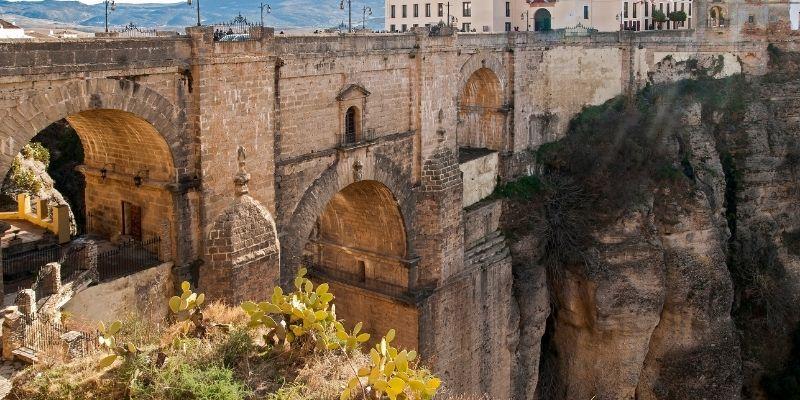
The limitation of the train is the "last mile" connectivity to the White Villages (Pueblos Blancos) like Arcos de la Frontera or Grazalema. If your heart is set on seeing the cliffside views of Ronda, you need a car for at least two days of your week. A professional travel manager would suggest a hybrid approach. Use the train for the Seville to Córdoba leg, then pick up a rental car on the outskirts of Córdoba for the drive south through the olive groves toward Granada. This avoids the stress of city driving while giving you the freedom to stop at an olive oil mill or a roadside "venta" for a traditional lunch of "salmorejo."
Managing the Precision Entry of the Granada Alhambra
Granada is the emotional peak of an Andalusian journey, but it is also the most difficult to manage from a logistical standpoint. The Alhambra is a massive complex, and the specific entry time on your ticket is only for the Nasrid Palaces, not the entire grounds. A common communication gap occurs when visitors arrive at the main gate at their ticket time, not realizing it takes another fifteen minutes to walk to the palace entrance. If you are late, the scanners will turn red and you will miss the highlight of your trip. We always advise guests to arrive at the Generalife gardens at least ninety minutes before their palace slot.
Beyond the palace walls, Granada operates on a unique culinary system. It is one of the last places in Spain where the tradition of the "free tapa" with every drink remains standard. However, this creates a realistic bottleneck in the Albaicín district. The most popular spots with views of the sunset over the Sierra Nevada fill up by 7:30 PM. If you want a seat at a "mirador," you have to play the long game. This means arriving early and being prepared for the steep, uneven cobblestone hills. Niche details for Granada also include the weather; because of the altitude, the city can be freezing at night even if the afternoon was warm, so a versatile layer is non-negotiable.
Local Rhythms and the Morning Flow in Córdoba
Córdoba is often treated as a day trip between Seville and Granada, but this is a disservice to the city’s evening atmosphere. When the day-trippers leave at 5:00 PM, the Jewish Quarter (Judería) transforms into a quiet maze of jasmine-scented patios. The Mezquita-Catedral is the main draw, a mosque with a cathedral literally built inside it. To solve the problem of the morning crowds, the cathedral offers a "soul of Córdoba" night tour. It is more expensive, but it uses light and sound to explain the architectural layers without the distraction of a thousand other people.
If you visit during the day, the niche travel detail to know is the free entry window. From 8:30 AM to 9:30 AM, individual visitors can enter for free, provided they are silent and respectful of the morning mass. This saves ten Euros and provides a much more spiritual experience. However, once the bells ring at 9:30, the guards clear the floor for the ticketed groups. This hour is perfect for photographers who need the "forest of arches" without a sea of selfies in the background. It allows you to spend your saved money on a lunch of "flamenquín" at a nearby tavern before catching the afternoon train.
The Seville Experience and Authentic Performance
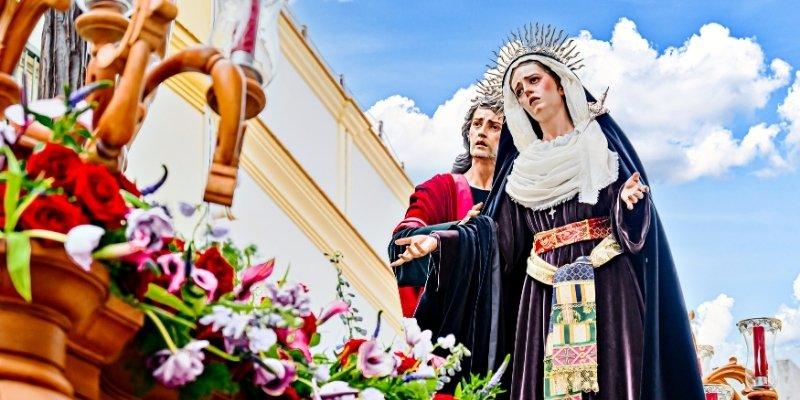
Seville is a city of neighborhoods, and your home base should be chosen based on your tolerance for noise. The area around the Cathedral is convenient, but it is also the center of the "seasonal surge" during Holy Week (Semana Santa) and the April Fair. During these times, hotel prices don't just fluctuate; they can quadruple. For a more grounded experience, we often steer travelers toward the Triana district across the river. It is the historic home of tile makers and flamenco artists, offering a grit and authenticity that the more manicured center sometimes lacks.
Speaking of flamenco, the city is saturated with "tablaos." The problem here is the "tourist trap" dinner show. These often involve mediocre food and a shortened performance for a high price. To find the real soul of the dance, look for "peñas flamencas." These are local social clubs where the performance is the sole focus. They are smaller, louder, and much more intense. The consideration here is that they don't always have a digital booking system. You often have to walk by in the afternoon to see the chalkboard for that night’s lineup. This is the difference between a staged show and a raw cultural encounter.
Reflecting on the Andalusian Loop
A week in Andalusia is a lesson in the layers of history. You see it in the Roman bridges, the Moorish arches, and the Catholic cathedrals that sit on top of them all. Success on this route is about moving with the local schedule rather than fighting it. It means accepting the slow service during the mid-afternoon heat and staying up late enough to see the plazas come alive at midnight. By the time you return your car or head to the airport in Málaga, you should feel the specific weight of the history you’ve walked through.