Krakow is a name that often lights up any travel plan. But once you’ve walked the cobbled lanes of the Old Town and sipped coffee near the Cloth Hall, you might feel the pull of something calmer just outside the city. The countryside surrounding Krakow holds a string of UNESCO-recognised landmarks that feel nothing like tourist traps and everything like pieces of quiet wonder. They’re not far-flung or hard to get to. In fact, they shape a route you can follow at your own pace, piecing together salt-carved cathedrals, timbered churches, and mountaintop sanctuaries into one fulfilling journey.
This route doesn’t demand a guidebook or a history degree. You won’t need to memorise names or dates. All it takes is the willingness to step a little off the main path and look with fresh eyes. Here’s how that trail unfolds, piece by piece, as you step into the surroundings of Krakow, where each place brings its own rhythm and space to breathe.
Wieliczka Salt Mine
About 14 kilometres southeast of Krakow, the Wieliczka Salt Mine offers something unexpected the moment you descend the first set of wooden stairs. Carved into rock salt is a hidden world—corridors, chambers, and sculptures that seem to float in quiet twilight. The air tastes faintly mineral. The ground underfoot crunches with fine salt dust. What used to be a workplace for miners now feels like a cathedral of calm beneath the earth.
You’ll walk through carved chapels, including one dedicated to Saint Kinga that’s lit by chandeliers made of salt crystals. At one point, there’s a salt lake so still it reflects the ceiling like a mirror. Tours are guided, but nothing about the experience feels rigid. There’s room to pause and look, without rushing. It’s hard to imagine this whole place is underneath a sleepy Polish town until you’ve climbed back up and returned to the sun.
Bochnia Salt Mine
A little farther out, Bochnia Salt Mine offers a quieter cousin to Wieliczka. Located around 40 kilometres east of Krakow, it has a rawer, less polished feel. The mine still carries the atmosphere of a working space, and some of the chambers feel almost untouched. If Wieliczka is a salt palace, Bochnia is more like a salt diary—still layered with the texture of work and time.
Some visitors prefer Bochnia because it feels less curated. There’s even an underground train ride that takes you through the darker veins of the mine. The guides here tend to focus more on how the miners lived, what they ate, how they worked—and less on polished displays.
Kalwaria Zebrzydowska
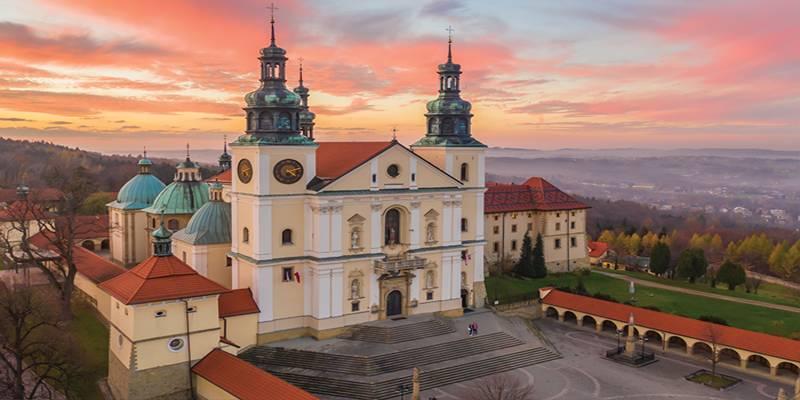
Head southwest from Krakow, and in about an hour, you’ll arrive at Kalwaria Zebrzydowska. It isn’t grand in the usual sense. There are no giant domes or golden ceilings here. Instead, this place lives in its stillness. It’s a religious complex that spreads across a green hillside—chapels tucked into the woods, stone paths leading you into silence, and moments that don’t ask for anything loud.
People come here not only for prayer but also to walk. The site includes a network of trails called the "Calvary paths," designed for meditative walking. They wind gently through forests and meadows, connecting small chapels that mirror the story of the Passion. Whether you’re religious or not, the layout invites reflection. It’s hard not to breathe slower here.
During key religious holidays, it becomes a place of pilgrimage, but on regular days, you might find yourself alone on the path, with only birdsong for company. It’s one of those places that gives back what you bring in—if you arrive tense, it helps you unwind. If you arrive open, it offers space to think.
Wooden Churches of Southern Małopolska
Scattered across the rural folds of Lesser Poland are small, wooden churches that look like they belong in a storybook. But these are not replicas or themed creations. They’re real working churches, some over 500 years old, made entirely of wood without nails, still standing strong through weather and time.
Some of the most striking ones lie in towns like Lipnica Murowana, Binarowa, Sękowa, and Dębno. The churches aren’t loud about their beauty. From the outside, they’re dark and often modest. But once inside, they feel like handmade music in wood and paint. Delicate polychrome paintings line the ceilings. Sculptures, carvings, and soft candlelight fill the space.
You won’t find them crowded. In fact, you may need to call ahead or ask a caretaker to open the door. That’s part of the charm. Visiting these churches is less about checking off a list and more about pausing long enough to notice the details.
Auschwitz-Birkenau
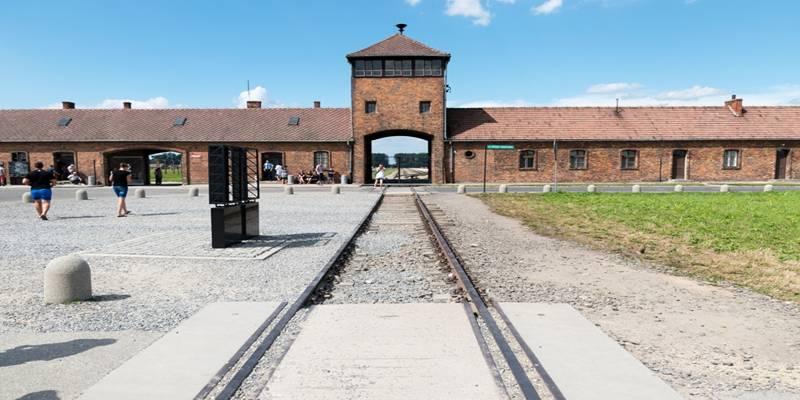
Roughly 67 kilometres from Krakow, the site of Auschwitz-Birkenau is not a place of sightseeing, but of remembering. While many people associate it with heavy history—and rightly so—its presence on the UNESCO list speaks to more than its past. It holds a warning, a mirror, and a pause. It’s not about looking backward with dates and facts. It’s about facing something and sitting with it, even when that feels hard.
The site is divided between Auschwitz I and the much larger Auschwitz II-Birkenau. Visitors often describe the silence as overwhelming. It isn’t a silence that asks you to speak. It asks you to listen—to space, to memory, to the absence of sound that carries more weight than words ever could.
Though it’s part of many guided tours from Krakow, some choose to go on their own, to walk at their own pace. Whichever way you visit, it’s not about rushing through or snapping photos. It’s about bearing witness.
Conclusion
Signs or ticket booths do not mark the UNESCO Heritage Route around Krakow. It unfolds quietly through salt-carved halls, timber-framed chapels, hillside trails, and still spaces that hold memory. None of these places shouts for your attention. They whisper, patiently, until you stop and listen.
Some are grand. Others are hidden. All of them share something honest. They aren’t polished just for show. They’re part of daily life in Lesser Poland, standing quietly as seasons pass, welcoming those who come not just to see, but to feel.