Senior care setting is a significant choice that one has to consider carefully. This guide will assist you to familiarize yourself with the various care options, evaluate personal needs and be aware of the major considerations to make such informed decision that will provide comfort, safety and good life.
Understanding Different Types
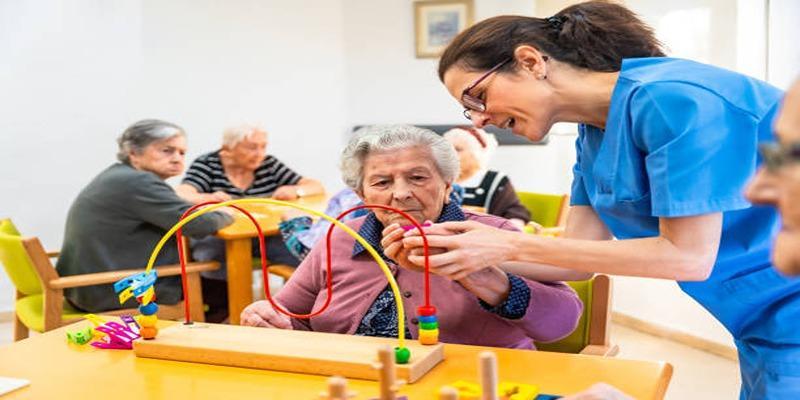
The variety of available options of senior care ensures the availability of the appropriate solution to any need, starting with less help and proceeding to intensive medical assistance. All care settings have their own advantages in different ways based on their concern on the lifestyle, preference, and health conditions. Knowing these alternatives will simplify choosing the best suitable one to take or leave to your loved one or you.
Independent Living
Independent living communities suit active and self-sufficient seniors that just want to live a more socially oriented and maintenance-free lifestyle. These settlements offer residential, shared facilities and recreational facilities. They are oriented on convenience and the establishment of a worry-free atmosphere, which may also involve such services as housekeeping, transportation, and meal options.
Assisted Living
Assisted living is created to serve elderly people, who require assistance with their day-to-day tasks, like taking a shower, changing clothes, or taking medications and yet they still have some degree of autonomy. Intensive services through 24/7 availability, solutions, and accommodation in personal or shared boundaries, and social programs are offered in these communities.
Memory Care
Memory care deals in the care of old people with Alzheimer, dementia, or other memory related disorder. Such homes offer safety, routines and personalized care plans to make the residents safe and comfortable. Employees are equipped to deal with any mental difficulties and offer emotional services to the seniors to ensure dignity and quality lives.
Skilled Nursing Facilities
Skilled nursing homes or nursing homes entail 24-hour service to elderly people with chronic illnesses or one who requires care due to their state of health. The facilities have a team of licensed nurses and medical professionals that specialize in intensive support, rehabilitation services and palliative care. They are applicable to patients who might need constant medical care and attention.
Home Care Services
The home care services provide the elderly people with individualized services in comfort of their homes. Such services may involve assistance with daily living activities, treatment by certified medical care providers, friendship, or expert treatment. Home care is versatile as it gives seniors a chance to be independent and avail services to them.
Assessing Personal Needs
Planning of the care of seniors involves the paramount factor of knowing individual requirements and consequently work towards the guaranteeing the optimal quality of life. Every individual needs specialized services that would consider not only his/her physical health but also mental, emotional, and economic well-being. Through evaluating different elements of care, families and care givers are able to develop a holistic plan that facilitates health, happiness and independence.
Physical Health Reflections
The physical health is one of the main issues to consider when identifying the needs of senior care. It is important to measure mobility, the presence of chronic diseases and overall fitness to be able to provide adequate care. This can be through regular medical examinations, medication, or aid with physical therapeutic help.
Cognitive Needs
Among elderly individuals, cognitive wellness is an important aspect in everyday life. Such ailments as dementia or Alzheimer might need special attention or even memory-testing activities, to keep the mind busy. Structured routine is also worth offering, since it can make one less confused and anxious. Moreover, intellectual games like puzzles, reading, or other hobbies which involve creative activities are effective methods of improving concentration and mental activities.
Social and Emotional Well-Being
Social interaction and safety of emotional well-being are important aspects of senior care. Loneliness and isolation may result in depression, and thus the involvement in group activities or community program facilitates the establishment of valuable interactions. Emotional stability is also fostered by providing companionship by the caregivers or family visits.
Financial Planning
Senior care is an issue where money matters are an important consideration. Costs of different alternatives of long-term care should be compared by the family (home care works against assisted living or nursing facility) and a sustainable family budget set. Financial aids, long-term care insurance and government programs are some of the areas to investigate in order to alleviate the burden.
Touring and Evaluating Facilities
During a tour of facilities, focus on cleanliness, safety, and staff-to-residents interactions to inform the assessment of the quality of overall care. Record whether the environment is friendly and staffs seem to be concerned and involved. These are the important questions that one can ask; staff-to-residents ratio, staff training and medical services. Converse with residents about their satisfaction with food, activities and care.
Making the Final Decision

The activity of selecting the appropriate care facility of your beloved is a process that has to be thought over and evaluated. Having evaluated the such important aspects as amenities, care standards, and particular needs, now it is time to narrow down your choice. The last considerations can be divided into important categories so that you could choose the right item with certain confidence.
Financial Considerations
It is important to be aware of the cost of running a care facility before deciding. Evaluate the prices of both alternatives, such as the monthly payments, extra tariff on special services, and its sustainability. Determine whether or not the facility receives government assistance, like Medicare or Medicaid, or financial plans. Make the costs go in line with your budget so that you know you will be able to provide quality care in the foreseeable future.
Exploring and Visiting the Environment
A visit to the facilities shortlisted can be revisited by taking a detailed tour. Notice the kind of treatment of the staff to the residents and the clean, safe, and a friendly environment. Record security provisions, room conditions, and common spaces. These details will make you see whether the facility was like a place your loved can call home or not.
Residents and Family Feedback
Interview the residents and their families to receive impartial comments concerning the facility. Wear their testimonies about the quality of care and responsiveness of the staff, as well as general satisfaction. They could help point out the good sides to pay attention to as well as a red flag that would be difficult to notice when taking a tour.
Conclusion
When choosing the appropriate senior setting, it is necessary to identify the equilibrium between comfort, wellness and personal preferences. With the knowledge of care options, consideration of personal needs, and financial and emotional aspects, you will be able to make a sure decision and guarantee safety, happiness, and long-term quality of life of your loved one.