The Amalfi Coast is one of those places where the postcard image frequently clashes with the ground-level experience. For those of us working in the Mediterranean travel sector, the most persistent problem we solve is the movement bottleneck. Travelers see the short physical distance between towns like Positano and Amalfi on a map and assume a quick drive is possible. In reality, the SS163, the main coastal road, is a narrow, winding ribbon of asphalt where a single tour bus can halt traffic for twenty minutes while trying to clear a tight corner. A successful trip requires accepting that the sea is often a more reliable highway than the road.
Mastering the Water and Road Transit Systems
The primary tool for moving between coastal towns is the ferry network, operated by companies like Travelmar or Alilauro. Using the ferry solves the motion sickness and traffic problems inherent to the bus system. A realistic user scenario involves a traveler standing at the pier in Amalfi. Instead of waiting an hour for a crowded SITA bus, they use a mobile booking app to secure a ferry ticket to Positano for fifteen Euro. This gives them a scenic view of the cliffs from the water, which is the perspective the coast was actually built for.
However, the ferry system has a significant limitation: the wind. If the sea state is too rough, the ferries are the first things to be canceled, usually with very little notice. This is where a traveler must pivot back to the SITA bus or a private driver. Niche travel expertise suggests buying your bus tickets in advance at a "Tabacchi" shop, as drivers generally do not sell them on board. If you find yourself on the bus, try to sit on the right side when driving toward Positano for the best views, but be prepared for the aggressive braking and sharp turns that are a standard part of the local driving culture.
Managing the Verticality of Positano and Amalfi
Positano is a vertical town, and this creates a physical bottleneck for anyone with mobility issues or heavy luggage. A common communication gap occurs when guests book an "affordable" rental only to find it requires climbing four hundred stone steps to reach the front door. We solve this by utilizing professional porter services. At the main transport hubs, you can pay a set fee per bag to have a local specialist haul your luggage up the stairs via a motorized cart. It is a practical investment that prevents the first two hours of your vacation from being a grueling workout.
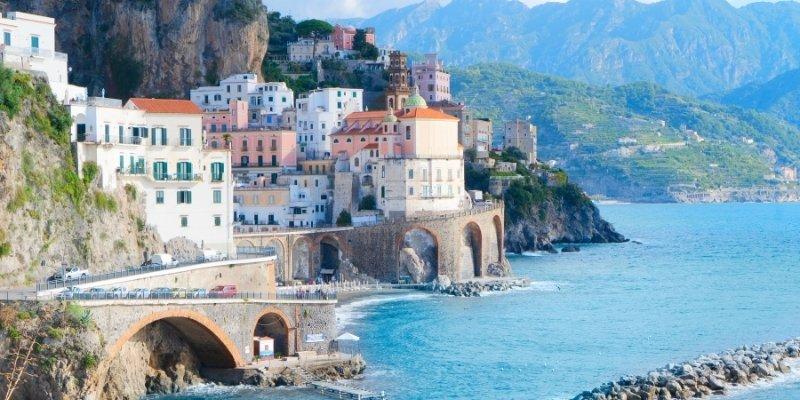
Ravello offers a different perspective, perched high above the sea without direct water access. It is the quietest of the major towns, but reaching it requires a dedicated bus or taxi ride from the Amalfi pier. A realistic scenario involves a visitor trying to see the gardens of Villa Cimbrone and Villa Rufolo in a single afternoon. To make this work, we suggest taking the open-top "City Sightseeing" bus from Amalfi. It provides a more reliable schedule than the standard public transport and offers a clearer view of the lemon groves during the ascent. Just keep in mind that Ravello is significantly cooler than the coast; a light layer is a necessary tool even in July.
Tactical Advice for Dining and Seasonal Menus
The culinary scene on the coast is world-class, but it is prone to the "tourist trap" plateau. Restaurants on the main "Piazza" often have the best views but the most mediocre food. An industry problem we frequently handle is the dinner reservation bottleneck. In Positano, the most famous spots like Chez Black or La Sponda are booked out weeks in advance. A realistic move is to head to the smaller hamlets like Praiano or Atrani. These towns offer a more grounded, authentic dining experience where the seafood is caught that morning and the prices haven't been inflated by social media fame.
Seasonal menus here revolve around the "Sfusato Amalfitano," the massive, thick-skinned lemons that grow on the terraced cliffs. Niche expertise involves knowing that the best time to visit for food is actually the late spring when the lemons are at their peak and the bluefin tuna hasn't been over-fished by the summer rush. When dining, always look for the "Coperto" or cover charge on the menu to avoid surprises on the final bill. This is a standard Italian practice, but it can be a point of confusion for those used to American-style tipping. In Italy, the service is generally included, and a small additional tip is appreciated but not mandatory.
Logistics of the Path of the Gods and Hiking Safety
For those who want to escape the towns, the "Sentiero degli Dei" (Path of the Gods) is the premier hiking route. It connects Bomerano to Nocelle, offering views that stretch all the way to Capri. However, the travel-industry problem here is the "stranded hiker" scenario. People often start the hike too late in the day and find themselves descending the final 1,700 steps into Positano in the dark. A realistic user scenario involves taking the early morning bus from Amalfi up to Agerola/Bomerano to start the hike by 8:30 AM. This avoids the heat and ensures you finish in time for a late lunch in Nocelle.
Safety tools like offline GPS maps are vital, as cell service is non-existent in the deep limestone gorges. The limitation of the hike is its exposure; there is very little shade, and the Mediterranean sun is relentless. We suggest carrying at least two liters of water and wearing shoes with aggressive tread, as the limestone paths can be incredibly slippery when dry. A niche detail to remember is that you can buy fresh focaccia and fruit in the small shops in Bomerano before you start. This is often the best meal you’ll have on the coast, eaten on a stone wall overlooking the Tyrrhenian Sea.
Reflecting on the Coastal Journey
A trip to the Amalfi Coast is a study in patience and preparation. It is a region that rewards those who look past the surface-level glamour and engage with the local rhythms. Success comes from knowing when to take the ferry, when to walk the stairs, and when to simply sit in a shaded café and let the afternoon pass. By managing your transport logistics early and respecting the physical demands of the vertical landscape, you remove the stress that often overshadows these historic cliffs. You leave the coast with a deeper understanding of Southern Italy and a memory of the salt air that lingers long after you’ve headed north.