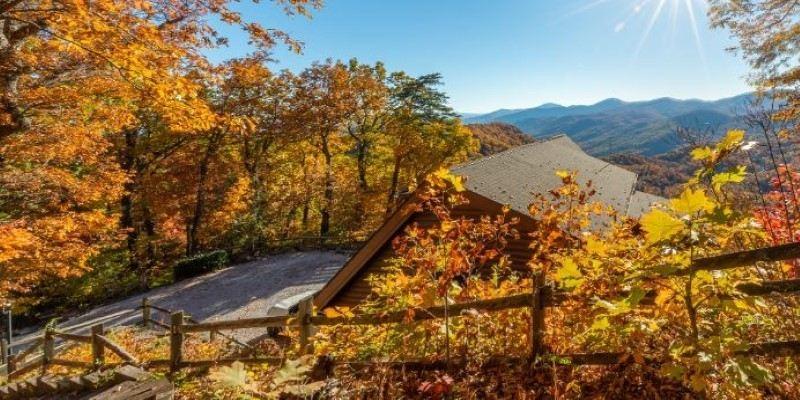
Fall retreats in the North Carolina mountains offer a kind of quiet that's hard to find elsewhere. The season moves slowly but fills up fast. Between the cooler air, changing colors, and early sunsets, this stretch of the year gives travelers a break from the usual pace. It's not built for distractions. It's meant for a pause. For many, a fall visit becomes a yearly habit not because it changes, but because it doesn’t.
What Draws Travelers to These Mountains in Autumn?
The Appalachian range in western North Carolina attracts fall travelers looking for color without crowds. It’s not about dramatic peaks; it’s the long ridgelines and layered views. Cities like Charlotte and Atlanta sit just a few hours away, making weekend visits realistic. Still, most guests plan longer stays in October to catch the foliage.
Color peaks earlier at higher elevations. Boone, Highlands, and Blowing Rock often see their brightest displays by the second week of October. Lower areas like Asheville and Brevard shift later, usually between the third and fourth weeks. A mistake some make is aiming for the exact middle of October and assuming all spots peak at once. The truth is more fragmented. One valley may hold green leaves while a nearby ridgeline goes bare.
Many guests now check fall foliage maps before they book. When those reports shift unexpectedly, so do bookings. Last-minute cancellations are more common than people think, especially among travelers timing their trip too late. Weather plays a role, too. Overcast skies soften the color. A windstorm can strip trees overnight. Timing matters.
This isn’t a flashy season. North Carolina’s fall leans toward warm browns, deep reds, and golds rather than sharp oranges. It’s about pacing, not spectacle.
Choosing the Right Area for a Fall Mountain Stay
Where you stay shapes your retreat. Asheville remains the go-to for travelers seeking a mix of nature and comfort. It offers quick access to the Blue Ridge Parkway, plenty of cabin rentals, and familiar restaurants. But with that comes heavier traffic, more noise, and limited privacy during the busiest fall weekends.
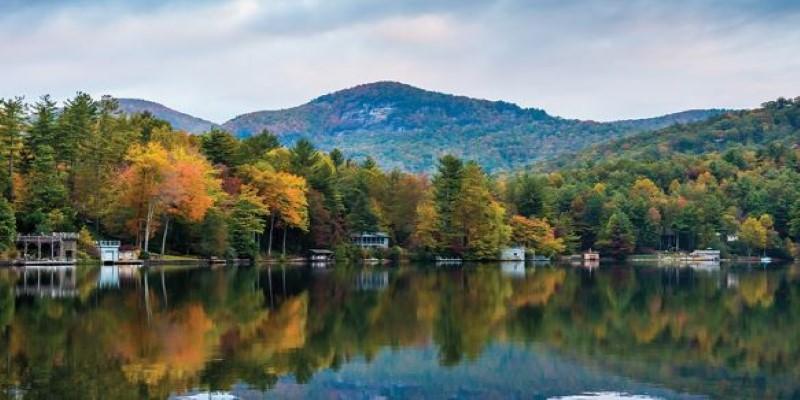
Waynesville and Lake Toxaway offer more distance and quiet. These towns border Pisgah and Nantahala national forests. Rentals here are often more remote, and some may require steep, unpaved roads. Guests looking for solitude often choose these spots, but that peace comes with longer drives and fewer grocery options.
At higher elevations—Beech Mountain, Banner Elk, Sugar Mountain—autumn comes earlier. These towns are colder by mid-October. Guests need to plan for changing temperatures throughout the day. A morning hike may require gloves, but by mid-afternoon, a t-shirt is fine. Guests packing for just one season often end up buying extra gear once they arrive.
Late fall travelers—those arriving after October 25—tend to stay near Brevard or other lower elevations. These areas keep their color longer. Trails are quieter, and short-term rental prices often dip slightly after the mid-month surge ends.
Booking Realities and Seasonal Travel Habits
Booking for a fall retreat in this region follows a clear pattern. The most popular dates fall between October 10 and 25. Cabins with views, fireplaces, or porches often book out by spring. Some hosts begin taking reservations for the next fall right after the current season ends. Booking six months out is common.
Travelers waiting until September may still find options, but not many with peak foliage views. Single-story cabins and rentals with paved access tend to book quickly, especially for older adults or families with young children.
Arrival planning matters more than most expect. Many rentals are far from main roads. GPS doesn’t always lead to the right spot. Check-in after sunset is common, but not always easy. Some cabins lack clear signage or lighting. Hosts providing paper directions and porch lights often receive better reviews. These small touches make a difference when guests arrive late.
Cancellation behavior shifts in the fall. Guests track foliage and weather forecasts closely. If storms are predicted, many cancel and try to rebook. Hosts have responded by tightening October cancellation policies. Refundable stays are harder to find.
Driving patterns change, too. Scenic routes like the Blue Ridge Parkway get crowded. On peak weekends, delays near overlooks can stretch for miles. Travelers focused on driving often shift to weekdays or leave early to avoid traffic. Timing matters more than distance.
How to Actually Spend Time During a Fall Retreat?
Fall retreats aren’t about doing more. They’re about doing less and noticing more. The season works best when travelers avoid overscheduling. Weather, color, and light all shift daily. A fixed plan doesn’t leave room for what the day brings.
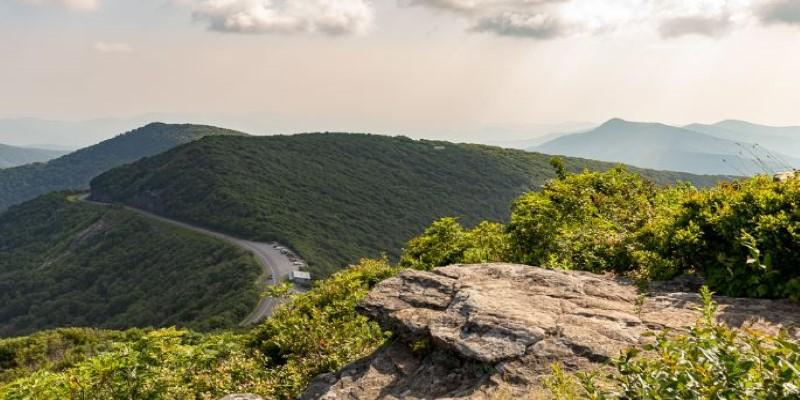
Morning is best for short hikes. Cooler air and soft light make trails like Graveyard Fields, Craggy Pinnacle, or Linville Falls ideal early stops. These fill up by mid-morning, so starting early matters.
Afternoons stretch longer than expected. Many guests return to the cabin for porch time or scenic drives. Winding roads can be more tiring than anticipated. Travelers planning four or five stops often end the day more drained than satisfied.
Evenings come fast. Sunset hits early, especially in narrow valleys. It’s the best time to sit outside. Cooking dinner or reading on the porch around 5 p.m. becomes a highlight for many. In those moments, a good view ends up mattering more than proximity to town.
Most cabins aren’t within walking distance of anything. After dark, there’s nowhere to go and no real reason to leave. Cabins stocked with books, puzzles, maps, or a fire starter kit tend to leave a better impression. Guests often spend more time indoors than expected.
Events happen in the fall—local fairs, harvest festivals, and craft shows—but their timing is narrow. Planning around them takes checking small-town calendars. Most guests don’t plan around them. They stumble into them, which works too.
Closing Thought
A fall retreat in the North Carolina mountains doesn’t need to be perfect. Weather shifts, leaves fall early, and trails get crowded. But travelers arriving ready to slow down and follow the season’s pace will find something quieter than most trips. It’s not built for activity. It’s built for pause. The key is planning just enough to stay comfortable and letting the rest unfold on its own. That rhythm is what keeps people coming back each year.